
Recall Season: VW Tells 72,700 EV Owners to Charge to 80% and Pray
LD3 News Desk: Automotive
By Dakota Jones
ANCHOR: Volkswagen has a message for owners of roughly 72,700 electric vehicles worldwide: keep charging below 80% until your battery is checked. It’s not quite “charge to 80% and pray.” But it is an unusually blunt reminder that sometimes the car’s most important component is the one you can’t see.
Here’s what’s known, what owners should do, and why the headline deserves both attention and proportion.
What’s behind the recall?
VW says internal quality checks found that some high-voltage battery cells in certain vehicles did not meet quality standards. The company attributes the problem to production defects at suppliers.
In rare cases, affected batteries may experience increased thermal stress. In the extreme, that could lead to a fire. That’s serious. But VW says the fire risk is very low, and German motor authority KBA data cited in reporting showed no incidents causing property damage or injury at the time of the recall announcement.
A little technical context: a battery cell is one of the individual units inside the larger high-voltage battery pack. A defect in some cells does not mean every recalled vehicle has a failing battery. It does mean the affected vehicles need inspection and the precaution should be followed until the car is cleared.
Which vehicles are affected?
The recall covers selected vehicles from these model lines:
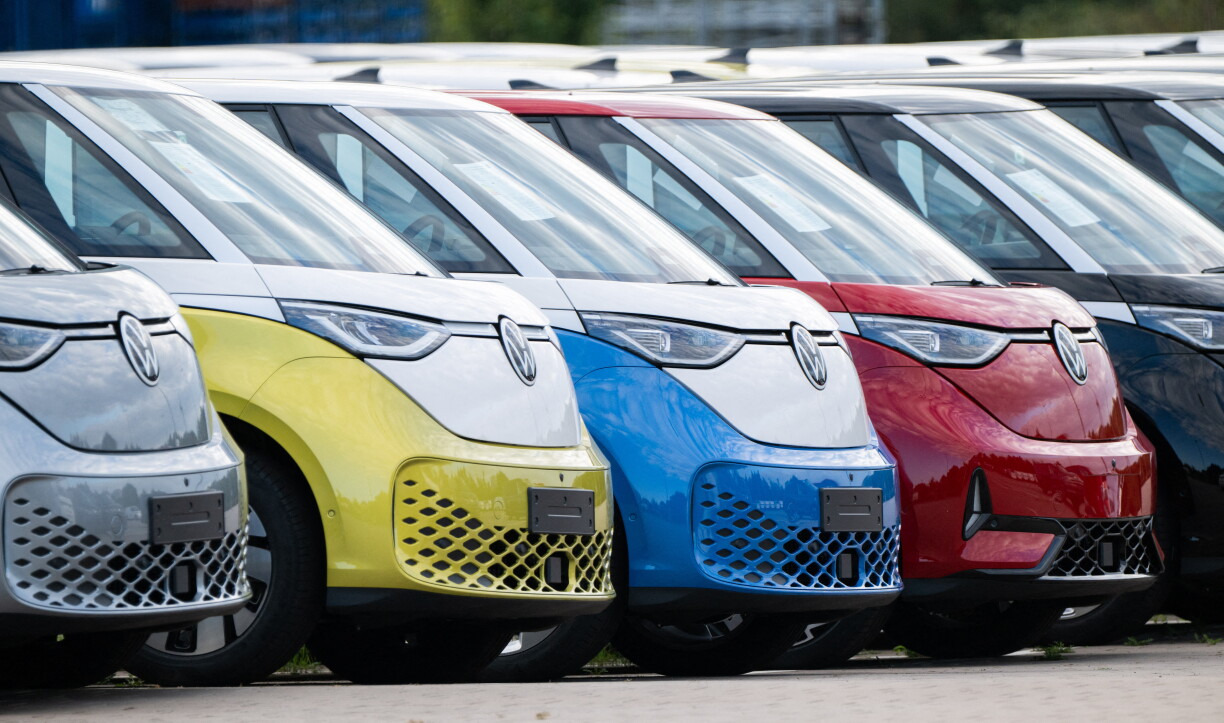
- Volkswagen ID.3, ID.4, ID.7 and ID. Buzz built between 2022 and 2025.
- Cupra Born, made by VW’s Spanish brand, built between 2022 and 2024.
The total is roughly 72,700 vehicles worldwide. About 10,000 are in Germany, according to KBA data reported by Tagesschau. Those are not the same as saying every vehicle of those models or years is affected. Owners should check their vehicle’s recall status and wait for the manufacturer’s notice.
The interim instruction: stop at 80%
Until the battery is inspected, owners are being told to charge to no more than 80%. Where technically possible, the vehicle’s system will limit its own charging capacity through software. Owners have also been asked to place warning stickers on their vehicles.
VW is notifying affected owners by letter. That notice should explain how to proceed and whom to contact. If you believe your vehicle may be included, check with an authorized VW or Cupra retailer rather than guessing based on model year alone.
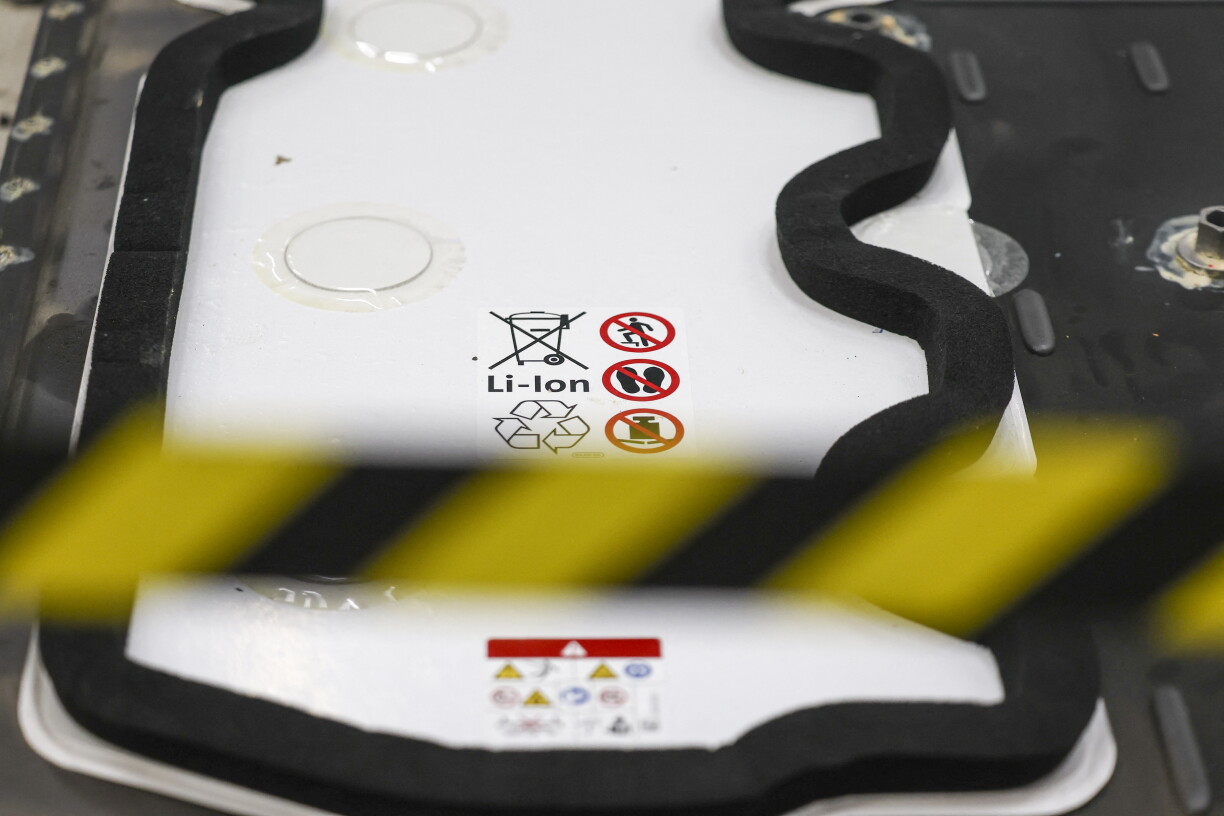
File photo of a VW ID.3 battery. Image: Jan Woitas/dpa Picture-Alliance via AFP, published by RTL Today.
What should an owner do now?
Here’s the practical checklist:
- Follow the 80% limit until a workshop confirms the battery is safe.
- Look out for the letter from VW or Cupra. Contact an authorized retailer if you need guidance or believe your vehicle may be affected.
- Arrange the inspection as directed. The check and any required recall repair should be handled through an authorized retailer at no charge.
- Keep the warning sticker in place as instructed until the vehicle has been checked.
The fix may be less dramatic than the headline. Affected battery modules will not necessarily need replacement; a software update may be enough. The precise remedy depends on the inspection. The 80% restriction should not be treated as optional until the battery is confirmed as compliant.
Another recall, another round of questions
The timing isn’t helping VW’s reputation for a quiet week. At the end of September, the company recalled about 5 million cars worldwide over a corrosion-prone steering screw. In March, VW and Cupra recalled more than 90,000 vehicles over battery problems.
That history is relevant context, not proof that the current recall is more dangerous than reported. The KBA information cited so far says there have been no known cases involving injury or property damage connected to this issue. Keep the precaution; skip the panic.
For customers in the United States and elsewhere, the reported totals are worldwide figures, while the roughly 10,000 figure refers to Germany. The two verification reports focus on European reporting and do not provide a complete country-by-country breakdown.
FAQ
Is every VW ID.3, ID.4, ID.7 or ID. Buzz affected?
No. The recall covers selected vehicles within the stated production years. Confirm your vehicle’s status with VW or an authorized retailer.
Does the battery definitely need to be replaced?
No. VW has said replacement is not always necessary. Depending on the inspection, a software update may be sufficient.
Is there evidence of injuries or property damage?
KBA data cited in the reports said no such incidents had been reported at the time. VW describes the fire risk as very low.
Can I charge above 80% after I get the letter?
Not until the battery has been inspected and confirmed as safe. Follow the instructions from VW or your authorized retailer.
Final Thoughts
The title’s “and pray” is sarcasm, not safety advice. The actual instruction is straightforward: keep the charge at or below 80%, follow the notice, and get the battery inspected. The reported fire risk is very low, and no injury or property-damage incidents had been reported to date. Still, a recall is not a suggestion to improvise. Take the precaution, get the inspection, and let the workshop confirm when normal charging can resume.
For more reporting from LD3 Productions, visit our News & Articles page.
Sources: